You’ll have to be more specific on that one mate.
Fair enough, I figured it could be obvious to those that may or may not have had a whole museum’s worth of vintage synths in their garage at some point ; ) but I’ll try and find how to articulate it better or just shut up
1 Like
There you go:
An example in Alex Ball’s video :
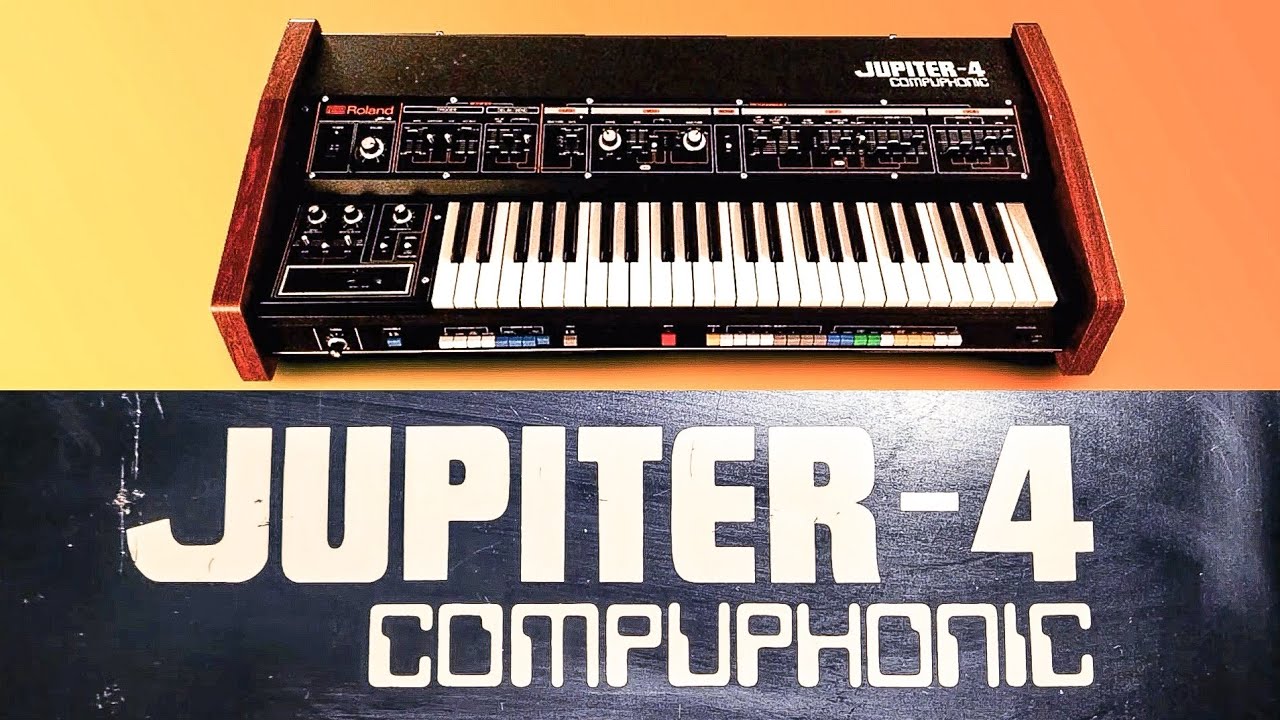
and another one:
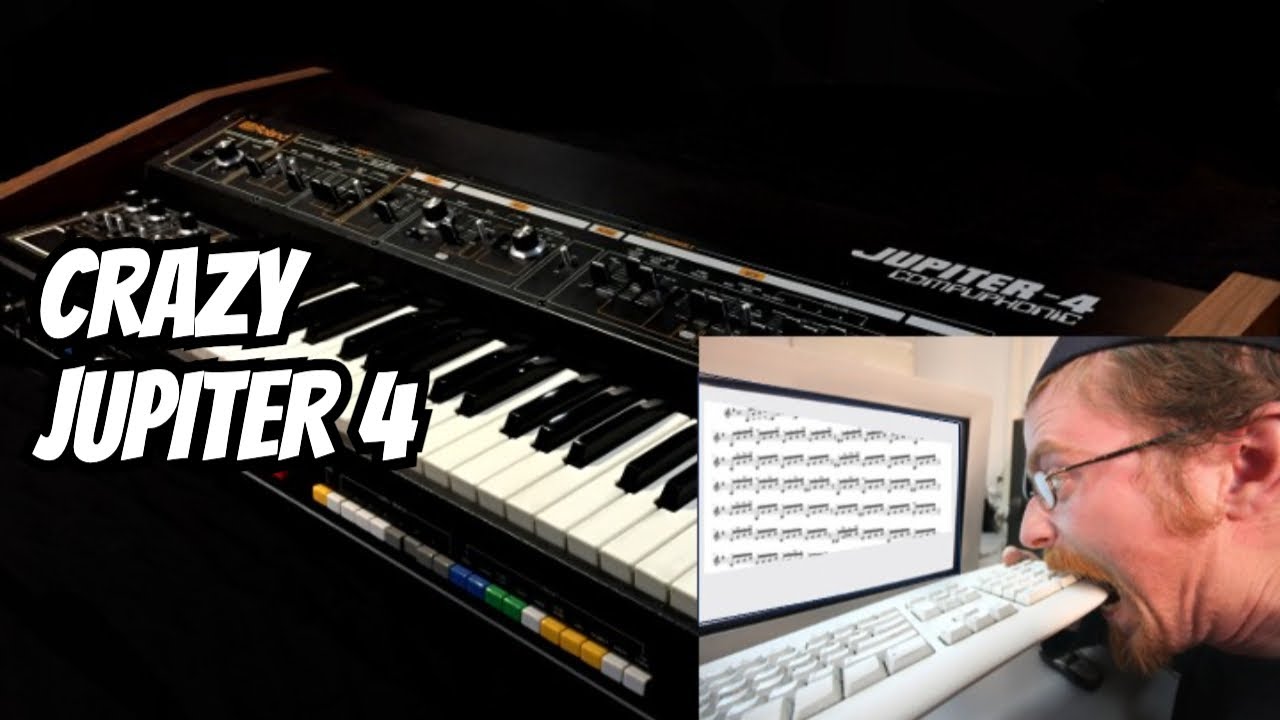
The random mode is also often mentioned but I assume it’s in relation to the other specifics
2 Likes
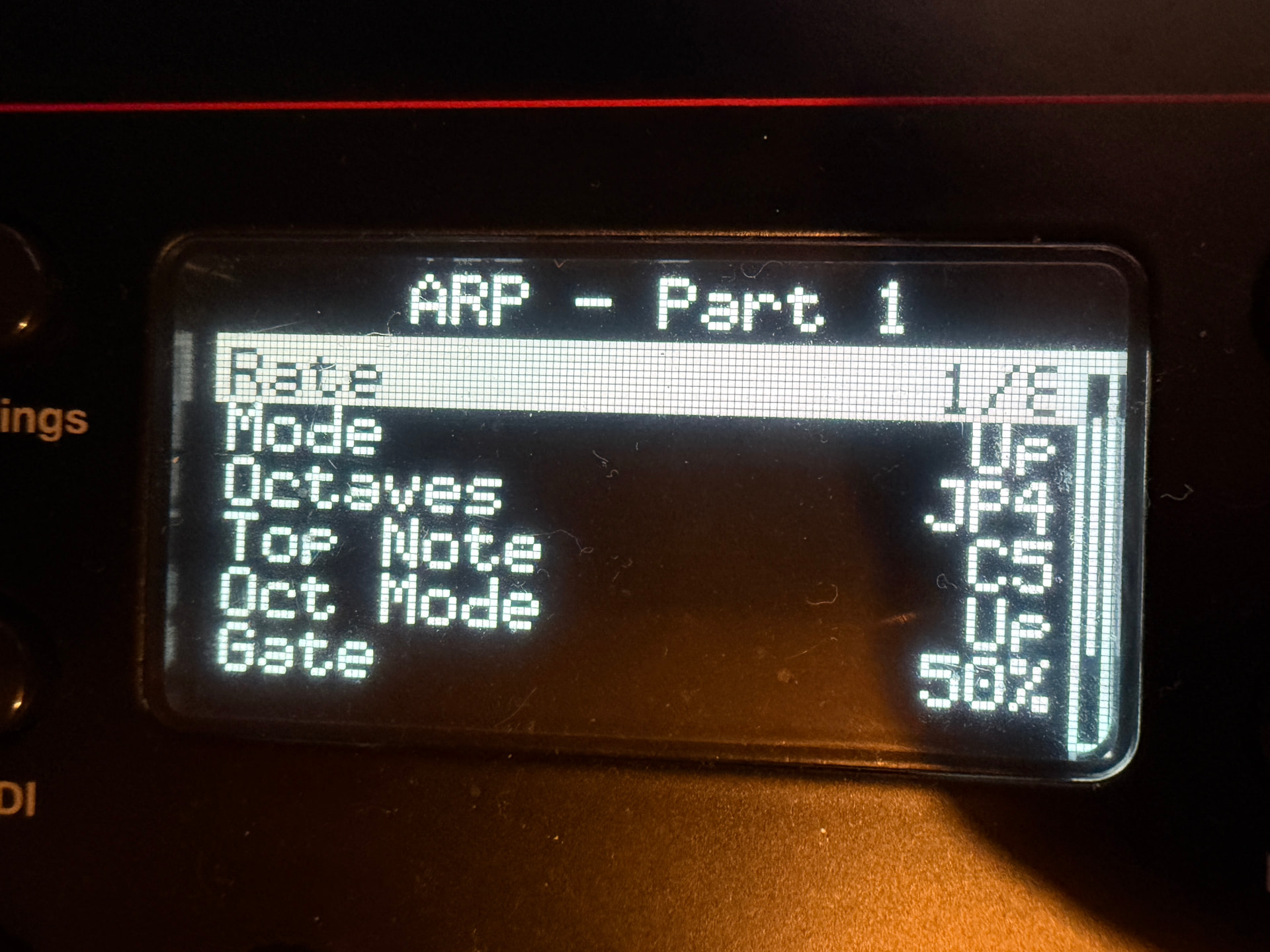

Wow, unbelievable ! Was it that simple ?! Or are you just brilliant ?
Thank you so much
Well, Dan did give a very clear explanation in his user manual.
I’ll thank him for you. 
1 Like
Ha, and reading it also made me slightly less self conscious about not being able to figure out precisely what was going on on my own.
Really happy about that, the JP4 had really spoiled every other standard onboard arpeggiators for me
I don’t suppose the “Octaves” setting can be negative? Never understood why more arps don’t do this.
1 Like
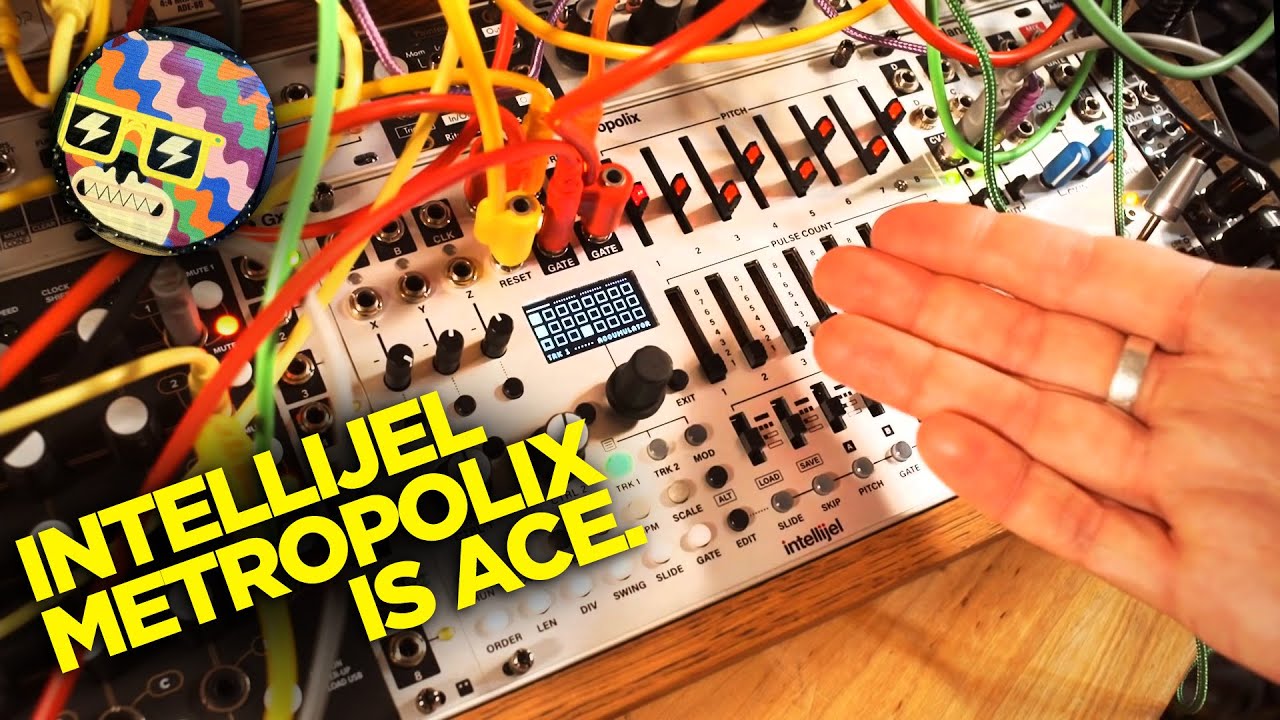
If you’re looking for sequencer ideas you could perhaps check out some eurorack stuff. Features like step repeats, probability etc. Good for repetitious acid/ trancey bleep-bloop music. Here’s a good video of the Intellijel Metropolix. Also good for something to have on in the background.
1 Like
Arps. I have two jp-4s and I lock the clock for their arpegiators together manually with a patch cord inserted halfway and that allows them to share one clock. I can then change each ARP type and presets, ex. A bassline and strings. So Brad the key here is locking the clocks on each.
Also I do not sign of portemento/glissando in the excellent demo.
1 Like
lol you’re all already steamrolling me into feature paralysis!
let me get to BETA!
6 Likes